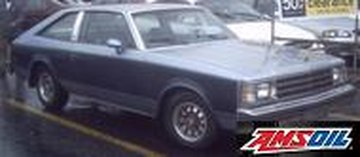
Lubrication Maintenance for the 1981 Buick CENTURY 4.3L
Maintaining the engine lubrication system in a vehicle like the 1981 Buick CENTURY with its 4.3L engine requires consistent attention to fluid condition and component integrity. Proper lubrication is fundamental to managing the internal environment of the engine, helping to mitigate friction and manage heat during operation. For owners of this vehicle, staying proactive with inspections can help identify potential issues before they escalate into more significant mechanical concerns.
Monitoring Fluid Condition and Potential Leaks
One of the most effective ways to monitor the health of the lubrication system is through regular visual inspections. Periodically checking for signs of fluid seepage or leakage around the engine block and associated components can provide early warning of aging seals or gaskets. If you notice any wetness or staining on the underside of the engine or on driveway surfaces, it warrants a closer investigation to identify the source.
Beyond looking for external leaks, observing the appearance of the oil itself is a valuable diagnostic habit. While oil naturally darkens over time due to use, extreme discoloration or an unusual consistency can be indicative of various factors. For example, if the lubricant appears excessively milky, it may suggest contamination from another fluid. Similarly, a strong or unusual odor coming from the crankcase should be investigated. Because many different issues can produce similar symptoms, these observations should be treated as indicators that require professional inspection rather than definitive diagnoses.
Observing Potential Warning Signs
Vehicle owners should remain attentive to how the engine behaves during and after operation. Changes in the way the vehicle runs can sometimes be linked to the lubrication system. If you notice unusual mechanical noises that were not previously present, this could be associated with changes in lubricant levels or quality. It is important to remember that such sounds can have many different origins, ranging from accessory drive components to internal engine matters.
Another sign to watch for is an unexpected increase in the frequency of fluid top-offs. If you find yourself needing to add oil more often than usual, this may indicate that the engine is consuming lubricant or that there is a leak that has not yet been visually identified. Additionally, any sudden changes in how the vehicle handles heat—such as signs of overheating—should be addressed immediately, as the lubrication system plays a role in overall thermal management.
Prioritizing Long-Term Engine Care
As vehicles age, maintenance strategies often shift from purely preventive measures to condition-based monitoring. For a 1981 Buick CENTURY, establishing a clear understanding of the vehicle's current mechanical state is essential. If you do not have access to a complete service history, your first priority should be to establish a baseline by performing a thorough inspection of all fluids and accessible engine components.
When reviewing maintenance needs, it is helpful to distinguish between routine tasks and those necessitated by the actual condition of the vehicle. Rather than replacing parts based solely on the age of the car, focus on addressing active signs of wear or seepage. Keeping a detailed log of when oil was changed, which products were used, and any observations made during inspections can be an invaluable tool for managing the long-term health of the 4.3L engine. This documentation helps in identifying patterns, such as whether certain components require more frequent monitoring than others.
Inspecting Related Engine Components
While focusing on oil is critical, a holistic approach to engine maintenance involves looking at the systems that support it. If equipped, inspecting accessible drive belts for signs of deterioration—such as cracking, glazing, or fraying—is a prudent part of a routine service. Similarly, checking the condition of various hoses and electrical connections can help ensure that the engine environment remains stable.
If your vehicle is equipped with an air filtration system, ensuring the filter is clean is vital for preventing contaminants from entering the combustion process. Contaminants in the air can eventually find their way into the lubrication system, affecting its ability to protect engine surfaces. By maintaining these peripheral components, you contribute to a more stable environment for the engine oil to perform its intended functions.
Managing Maintenance Records and History
For many owners of classic or older vehicles, the history of repairs can be as important as the repairs themselves. If you have recently acquired this Buick, attempting to reconstruct its maintenance timeline is a wise step. Knowing whether previous owners adhered to regular service intervals can help you decide how aggressively to monitor certain components. For instance, a vehicle with a well-documented history of consistent oil changes may present different inspection priorities than one with an unknown or inconsistent service record.
Consistent record-keeping allows you to track the performance of different lubricants and parts over time. If you notice that a specific brand of filter or a certain type of lubricant seems to result in cleaner operation or less seepage, your records will provide the evidence needed to make informed decisions for future service. This methodical approach moves maintenance away from guesswork and toward a data-driven strategy tailored to your specific vehicle.
Practical Guidance for Buying Engine Oil for the 1981 Buick CENTURY 4.3L
When it is time to replenish or change the lubricant in your 1981 Buick CENTURY 4.3L, the most important step is to ensure the product matches the specific requirements of your engine. Rather than relying on general automotive knowledge or assumptions based on the vehicle's age, you should always refer to the application-specific viscosity and oil information provided on this webpage.
Before making a purchase, carefully check the product labels to confirm they meet the necessary standards for your application. Depending on your specific needs and the current condition of your engine, you may encounter various options, including conventional oils, synthetic blends, or full synthetic formulations. Some high-mileage oil formulations also contain additives intended for use in aging engines, such as seal-conditioning agents. However, the choice should always be guided by the technical specifications listed in your vehicle's documentation and the information displayed here. Always verify that any lubricant you select is appropriate for the 4.3L engine to ensure optimal performance and protection.